
Popular Tree Removal Products For Safe and Efficient Work
Discover essential tools and gear that help you perform tree removal tasks with precision and confidence, reducing risks and effort.
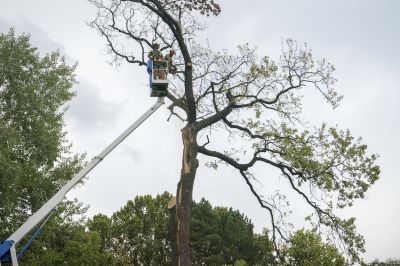 Tree removal is a task that often requires specialized equipment to ensure safety and efficiency. Depending on the size and location of the tree, different tools and products may be necessary to perform the job effectively. From handheld pruning tools to heavy-duty machinery, there is a wide range of options available to cater to various removal needs. Proper selection of these products can help minimize risks and facilitate smoother removal processes.
Top Overall Option
Heavy-Duty Tree Cutting Saw
A versatile and durable tree cutting saw designed for efficient removal of branches and small to medium-sized trees. Its ergonomic handle and sharp blade facilitate precise cuts, making it a reliable choice for both professionals and homeowners. The saw's sturdy construction ensures long-term performance, helping users tackle various removal tasks with confidence.
Types of Products For Tree Removals
Pruning Shears
Ideal for trimming small branches and shaping trees, these hand tools provide control and precision.
Pole Pruners
Extendable tools designed to reach higher branches safely from the ground, reducing the need for ladders.
Chainsaws
Powerful cutting tools suitable for felling trees and cutting large branches, available in various sizes and power sources.
Hand Saws
Manual saws used for detailed cuts and smaller branches, offering precision in tight spaces.
Loppers
Long-handled pruning tools designed for cutting thicker branches with leverage and ease.
Tree Felling Wedges
Assist in directing the fall of a tree and preventing the saw from pinching during cuts.
Ropes and Harnesses
Safety equipment used to control the fall of branches or the entire tree during removal.
Stump Grinders
Machines designed to grind down remaining stumps after tree removal, facilitating land clearing.
Aerial Lifts
Equipment that provides elevated access for reaching high branches safely, often used by professionals.
Safety Helmets and Gear
Protective equipment essential for ensuring safety during all stages of tree removal.
Wedges and Straps
Tools used to control and guide the direction of falling branches or trees.
Debris Chutes
Devices that help safely direct cut branches and debris away from work areas.
Log Splitters
Equipment used to process felled branches and trunks into manageable firewood or mulch.
Tree Removal Kits
Comprehensive sets that include various tools and accessories needed for complete removal tasks.
Popular Choices
Portable power tools favored for their convenience and ease of use in various removal scenarios.
Popular for reaching high branches safely without ladders, suitable for residential and professional use.
Commonly used for light trimming and shaping, appreciated for their simplicity and control.
Preferred for their power and efficiency in larger or more demanding removal tasks.
Trending for their mobility and reduced noise, making high-reach pruning safer and easier.
Frequently chosen for their durability and effectiveness in guiding tree falls.
Popular for ensuring safety when working at heights or handling large branches.
Commonly used with power equipment to facilitate stump grinding and removal.
Widely used to control branch or tree fall direction during removal operations.
Popular for collecting and managing fallen branches and leaves during cleanup.
In demand for large-scale tree and brush removal projects, including mulchers and bulldozers.
Favored for their safety and stability when working at elevated heights.
In residential areas, smaller, more manageable tools are typically preferred for safety and ease of use. For larger or more complex removals, professional-grade equipment becomes essential. Safety gear such as helmets, gloves, and eye protection should always accompany these tools to prevent injury. Additionally, accessories like ropes, harnesses, and wedges can assist in controlling the fall of the tree or large branches.
When choosing products for tree removal, it is important to consider the specific requirements of each job. Factors such as tree size, location, surrounding structures, and the experience level of the user all influence the appropriate equipment selection. Investing in quality tools can improve efficiency, reduce fatigue, and enhance safety during the removal process. Proper maintenance and handling of equipment are also crucial to ensure longevity and optimal performance.
Whether undertaking a small pruning task or a large-scale removal, understanding the available product options can help make informed decisions. Consulting with professionals or experienced users can provide additional insights into which tools are best suited for particular situations. Ultimately, selecting the right products tailored to the task at hand can lead to safer, more effective tree removal projects.
Key Buying Considerations
- Tree size and species to determine the appropriate cutting tools.
- Accessibility of the removal site, including space constraints and obstacles.
- Power source preferences such as electric, battery, or gas for mobility and runtime.
- Experience level of the user to select suitable equipment and safety gear.
- Safety features and protective gear to minimize risks during operation.
- Durability and build quality of tools for long-term use.
- Ease of maintenance and availability of replacement parts.
- Weight and ergonomics of handheld tools to reduce fatigue.
- Environmental conditions, including weather and terrain, affecting equipment choice.
- Budget constraints balanced with quality and safety considerations.
- Compatibility of accessories and attachments for versatility.
- Noise levels, especially for residential or noise-sensitive areas.
- Availability of training or instructional resources for safe operation.
- Local regulations or guidelines related to tree removal and equipment use.
- Potential for future use in related projects or tasks.